0
Your Cart

No items found.
Product is not available in this quantity.


Main Pages

Inner Pages
Location
1280 Grand Avenue, Los Angeles, CA
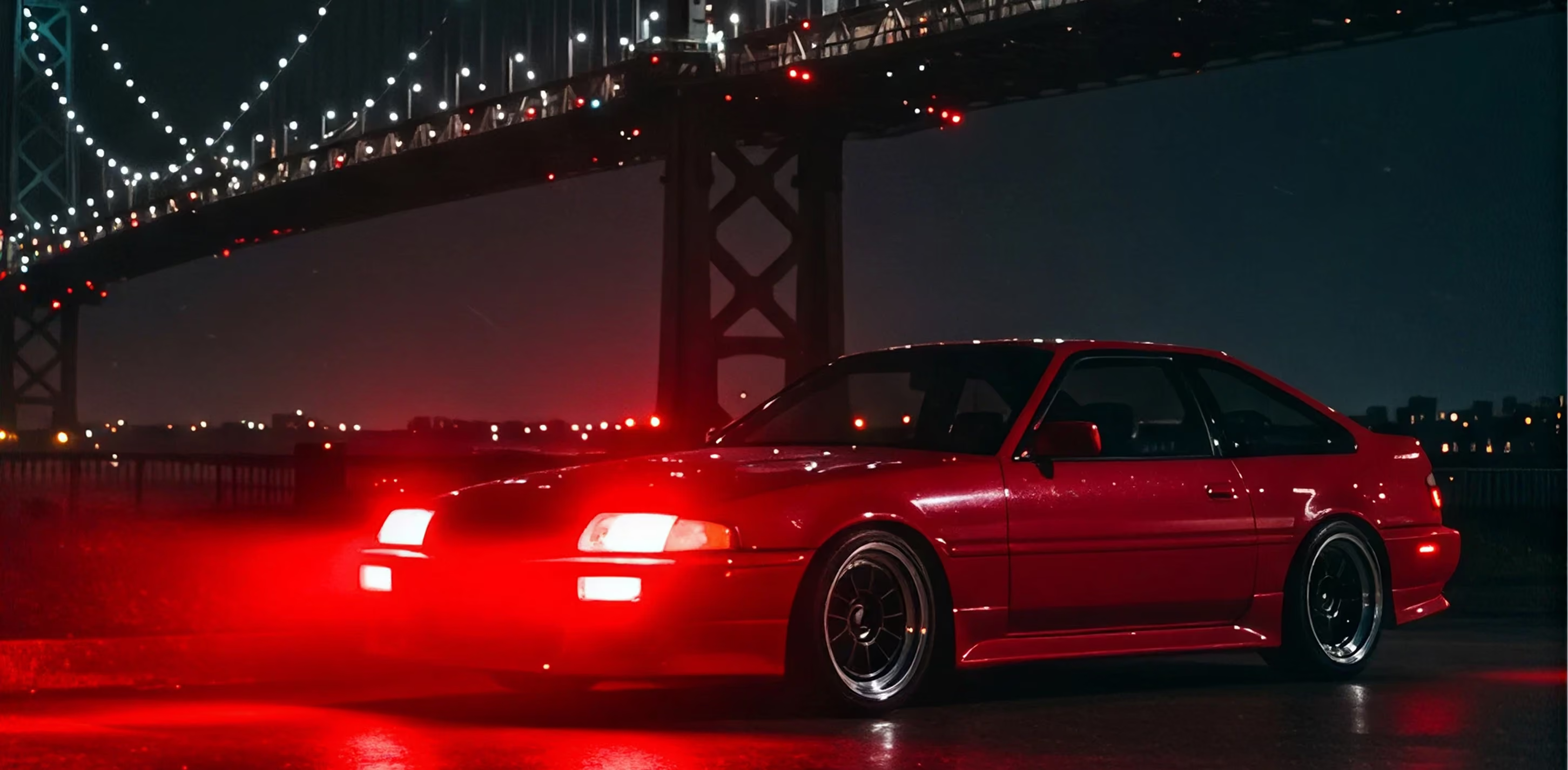
A vehicle's history can tell you a lot about how it has been treated.
Look for information about previous ownership, reported accidents, service records, mileage, and any major repairs.
A clean and well-documented history doesn't guarantee a perfect vehicle, but it can give you a much clearer picture of what you're buying.
Key things to look for:
Don't let a polished exterior distract you from the details.
Walk around the entire vehicle in good lighting and look for differences in paint, panel gaps, scratches, dents, or signs that individual panels may have been repaired or replaced.
Pay particular attention to the condition of the wheels, tires, lights, windows, and bodywork.
Pro tip:
Compare the condition of different panels. Noticeable differences in paint texture or color can sometimes indicate previous repair work.
The interior can reveal how a vehicle has been treated over time.
Check the condition of the seats, steering wheel, dashboard, carpets, controls, screens, and other high-contact areas.
Make sure the features you're paying for actually work.
Test the air conditioning, infotainment system, cameras, power seats, windows, lights, driver-assistance features, and other electronic systems.
A thorough interior check can help you identify issues that aren't immediately visible.
A test drive is one of the most important parts of the buying process.
Pay attention to how the vehicle starts, accelerates, brakes, turns, and handles different road surfaces.
Listen for unusual sounds and notice anything that feels inconsistent or unexpected.
During your test drive, pay attention to:
Steering
Does the vehicle track straight and respond naturally?
Brakes
Does it stop smoothly without unusual vibration or noise?
Transmission
Are gear changes smooth and predictable?
Engine
Does it deliver power consistently without unusual sounds?
Suspension
Does the vehicle feel stable and controlled over uneven roads?
Even if everything looks and feels right, an independent inspection can provide another layer of confidence.
A qualified technician can identify mechanical issues that may not be obvious during a visual inspection or short test drive.
Depending on the vehicle, an inspection may include the engine, transmission, suspension, brakes, tires, electrical systems, and other important components.
It's a relatively small step that can help you make a much more informed decision.
Buying a used car doesn't have to be complicated.
The key is to slow down, ask questions, inspect carefully, and make your decision based on the complete picture rather than first impressions.
A great pre-owned vehicle should give you confidence before you drive away — and excitement every time you get behind the wheel.
At Draven, we believe that's exactly how buying a car should feel.